In coastal regions like Florida, homeowners face significant challenges due to the risks of flooding. Elevating homes is a proactive solution that combines essential construction techniques with compliance to local regulations, ultimately protecting property and enhancing safety. This article will delve into both the home elevation process and its crucial importance for flood prevention, particularly in the Tampa Bay to Naples area. Readers will gain insights into the various construction methods employed, regional regulations influenced by flood zones, typical costs associated with elevating homes, the impact on flood insurance, and real-life customer experiences. With increasing awareness of climate change and rising sea levels, understanding these dynamics becomes imperative for homeowners seeking durable solutions.
What is the Home Elevation Process and Which Construction Methods Are Used in Florida?
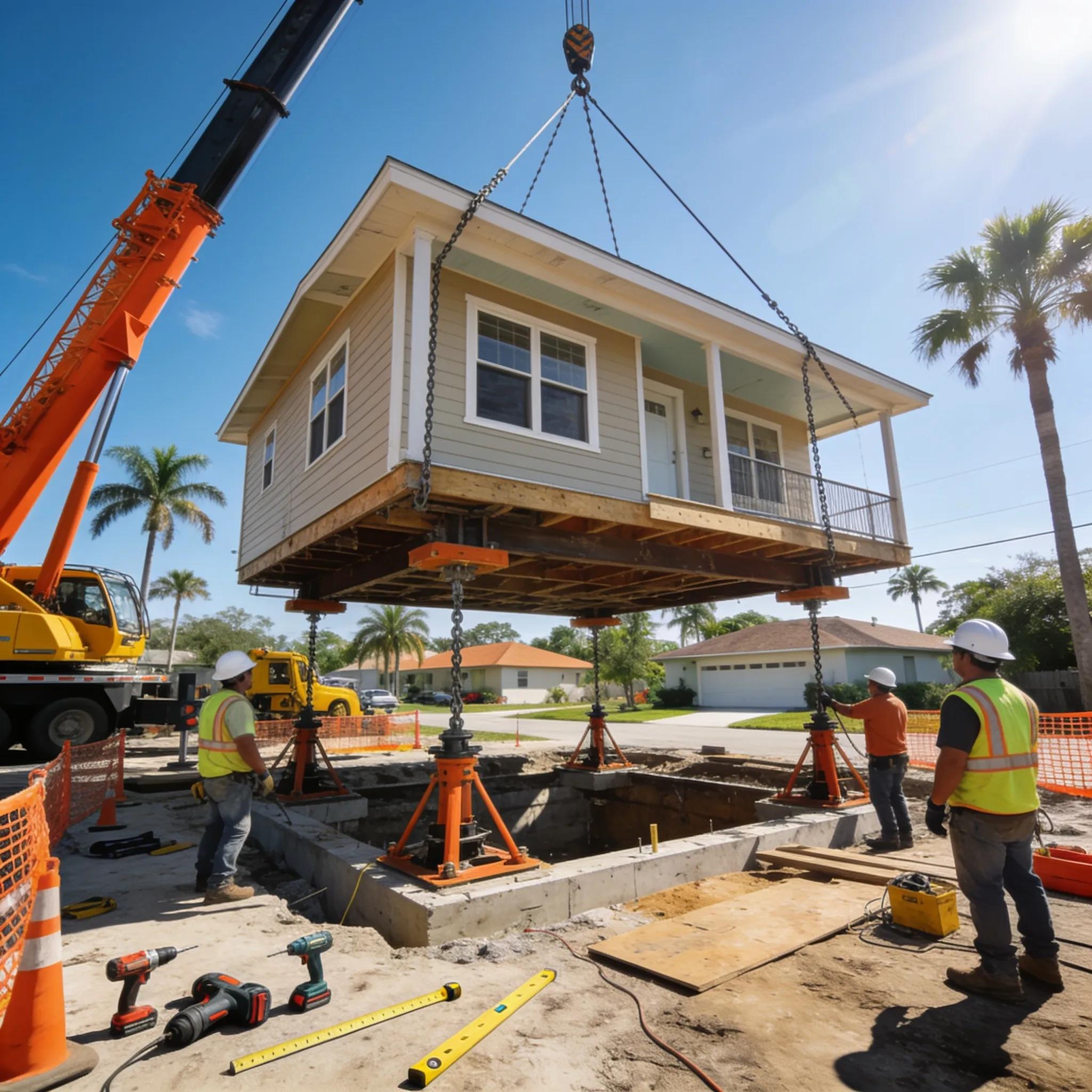
Home elevation refers to the process of raising a structure to reduce the risk of flood damage. By elevating a home above the base flood elevation (BFE), homeowners significantly decrease their vulnerability during extreme weather events. In Florida, various construction methods are utilized, including pier and beam systems, stilt foundations, and the use of elevated slabs. These methods are tailored to meet the unique challenges presented by Florida's varying landscape and flood zone requirements.
How Does Structural Home Raising Ensure Coastal Flood Protection?
Structural home raising effectively protects coastal homes from flooding by physically lifting the structure above anticipated flood levels. This process involves careful planning, employing engineered designs that not only adhere to local regulations but also ensure the longevity of the building. By utilizing robust materials and techniques, homeowners can create a resilient living environment that withstands the various forces of nature.
What Are the Key Stages in Elevating a Home Along the Gulf Coast?
The home elevation process typically includes several key stages: planning, execution, and final inspection. Initially, homeowners must acquire necessary permits and develop a comprehensive elevation plan. Next, professional contractors execute the elevation, utilizing specialized equipment to ensure safety and compliance. Finally, inspections confirm adherence to safety standards and regulations. This structured approach guarantees that each home elevation project is completed efficiently and to the highest standards.
How Do Regional Flood Zones Impact Home Elevation Requirements from Tampa Bay to Naples?
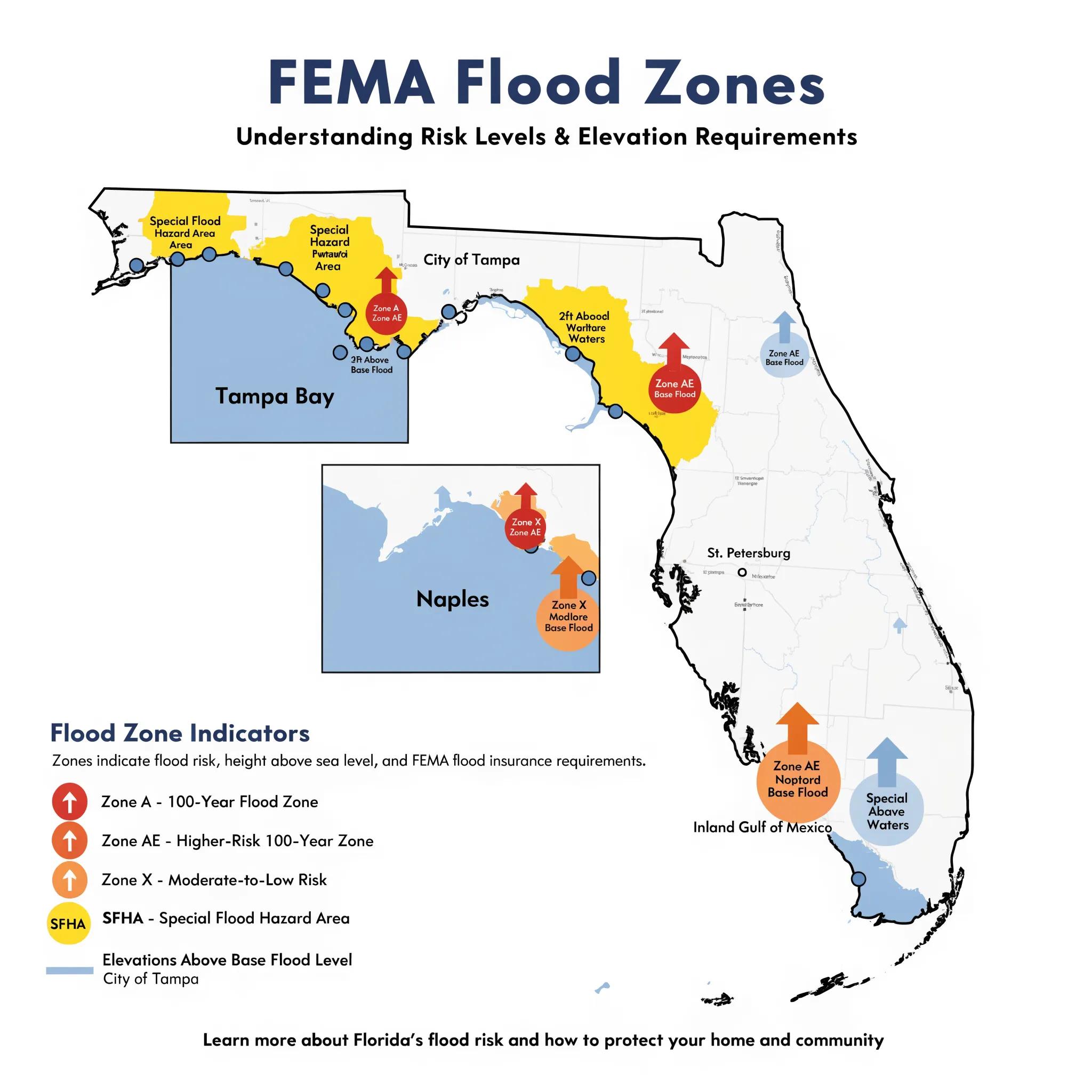
Flood zones play a critical role in determining elevation requirements. In Florida, properties are classified into various flood zones as dictated by the Federal Emergency Management Agency (FEMA) and local regulations. Each flood zone has unique requirements for home elevation, influencing how homeowners approach the elevation process. Understanding these classifications is essential for compliance and protection.
What Are the Differences Between Tampa Bay and Naples Flood Zone Regulations?
Tampa Bay and Naples exhibit distinct flood zone regulations that reflect their unique geographic and climatic conditions. In Tampa Bay, flood zones may dictate specific construction techniques based on localized risks, while Naples regulations might require higher elevation standards due to its closer proximity to storm-prone areas. Homeowners must consult local building codes and work with contractors familiar with regional practices to navigate these differences effectively.
Which NFIP 2023 Standards Must Fortified Home Elevations Comply With?
Home elevations must adhere to the National Flood Insurance Program (NFIP) standards to remain insurable. The key NFIP standards include ensuring that homes meet or exceed the BFE, using flood-resistant materials, and adhering to specific engineering practices. Compliance with these standards is crucial for homeowners seeking to protect their investment while also securing insurance coverage in the event of future flooding.
What Are the Typical Costs, Permitting Steps, and Insurance Benefits for Home Elevations in Florida?
Understanding the financial aspects of home elevation is vital for homeowners considering this investment. Costs can vary significantly based on factors such as the method of elevation chosen, the size of the home, and local permitting requirements. Homeowners generally benefit from reduced insurance premiums and increased property values following elevation, making this a financially sound decision in the long run.
How Much Does a Flood-Resistant Home Elevation Cost on the Gulf Coast?
The costs of elevating a flood-resistant home along the Gulf Coast can range significantly based on numerous factors. Typical expenses may fall between $20,000 and $100,000, depending on elevation height, construction materials, and complexity of the project. Homeowners should also factor in potential savings on flood insurance as safety measures enhance the insurability of their property.
Which Permits Are Required for Permitted Home Elevations in Tampa Bay and Naples?
Various permits are required for home elevation projects in Tampa Bay and Naples, including building permits, floodplain management permits, and possibly variance requests depending on the elevation and construction methods chosen. The permitting process, which can take several weeks to complete, is essential in ensuring that all constructions meet safety and regulatory standards.
How Does Elevating Your Coastal Home Enhance Flood Resilience and Property Value?
Elevating coastal homes not only bolsters flood resilience but can also significantly increase property values. By investing in elevation, homeowners can protect their properties from flood damage while simultaneously improving their homes' marketability, especially in flood-prone areas. Enhanced safety measures attract potential buyers who recognize the value of a flood-resistant property.
What Flood Insurance Savings Can Homeowners Expect After Elevation?
After elevating their homes, homeowners typically experience substantial savings on flood insurance premiums. Elevation can effectively reduce premiums by up to 40% or more, depending on the property's risk level. Homeowners should consult with their insurance providers to reassess policy terms following elevation, ensuring they capitalize on available discounts.
How Do Fortified Home Elevations Increase Coastal Property Marketability?
Fortified elevations greatly enhance a coastal property's appeal by lowering flood risk and increasing safety for inhabitants. Properties that have undergone elevation are often favored by buyers who are looking for secure investments, leading to faster sales and potentially higher selling prices. Therefore, homeowners not only protect their assets but also stand to gain financially by making informed decisions around home elevation.
This study highlights how essential property elevation information is to potential buyers, impacting decisions beyond just the immediate flood risk to encompass long-term financial implications.
Property Elevation and Flood Risk Information for Florida Homebuyers
A great deal of information about property elevation and potential flood risk is available to homebuyers. Most Florida homebuyers are moving from another Florida residence, and therefore are at least somewhat familiar with both storms and tidal flooding. Flood insurance requirements also are a source of information about flood risk. Part of the flood insurance purchase process requires the home buyer to acquire a certificate of elevation that indicates the point at which wave action, tidal action or storm surge will flood the first floor of the house. In 2020, the National Association of Realtors®added two more indicators of flood risk to theirrealtor.comlistings: information about the FEMA insurance classification of the property as well as maps and text from Flood Factor presenting a numerical score representing the flood risk factor of the property on a scale from 1 to 10. At the time of our survey, two to three months after this change, Realtors®reported little response to this additional information from either buyers or sellers. The respondents to the survey indicated that some homebuyers are avoiding low-lying property susceptible to flooding, but most real estate agents stated that it is not the flood risk itself but instead the cost of flood insurance that drives buyer response to coastal property.
Information About Sea-Level Rise and Its Effects on Home Search Behavior, R Palm, 2021
What Are Real-Life Examples and Customer Experiences With Fortified Home Elevations in Florida?
Real-life examples of successful home elevation projects underscore the importance and efficacy of this investment. Many homeowners celebrate their newfound peace of mind, knowing their homes are now more resilient against flooding and natural disasters. Customer testimonials highlight satisfaction with both the elevation process and the subsequent financial benefits realized.
Which Successful Fortified Elevation Projects Have Been Completed Between Tampa Bay and Naples?
Numerous successful home elevation projects have transformed properties in the Tampa Bay to Naples corridor. Instances of homes that were once at risk of flooding now stand resilient, showcasing various elevation techniques and solutions tailored to fit particular needs. These projects serve as inspiration for others considering similar changes.
What Do Homeowners Say About Working With House Raising Companies on the Gulf Coast?
Homeowners across the region often express high satisfaction with their experiences working with house raising companies. Many report excellent customer service, transparency throughout the process, and remarkable improvements in property safety. Positive feedback emphasizes the importance of selecting experienced contractors familiar with local regulations to ensure successful home elevation.