As coastal communities increasingly face the impacts of climate change, home elevation has emerged as a critical strategy for enhancing flood resilience. Particularly on Venice Island, this approach not only mitigates flood risk but also complies with local regulations. Readers will learn about the various home elevation methods available, how they improve resilience, and the regulatory frameworks that govern these processes. This comprehensive article will delve into key elevation techniques, local flood zone regulations, leading contractors, environmental benefits, associated costs, and essential maintenance practices for homeowners. Given the rising threats from flooding, understanding these components can empower Venice Island residents to make informed decisions about home safety and compliance.
What Are the Key Home Elevation Methods Used in Venice Florida?
Home elevation in Venice, Florida, encompasses several methods, each designed to increase the height of a structure above potential flood levels. These techniques are vital for protecting homes from storm surges and flooding, especially in an area prone to natural disasters. The primary elevation methods include:
- House Lifting: This process involves raising a structure to a higher foundation using hydraulic jacks, which provides immediate elevation above flood levels.
- Pier and Beam Elevation: By constructing new piers or beams beneath an existing foundation, homes can be elevated while maintaining their original structure.
- Fill Method: This approach involves raising a home by adding fill dirt or engineered fill under the structure, although it is less commonly used due to soil settlement concerns.
The choice of method often depends on individual property conditions and local regulations, significantly influencing flood risk reduction in Venice.
How Does House Lifting Improve Flood Resilience on Venice Island?
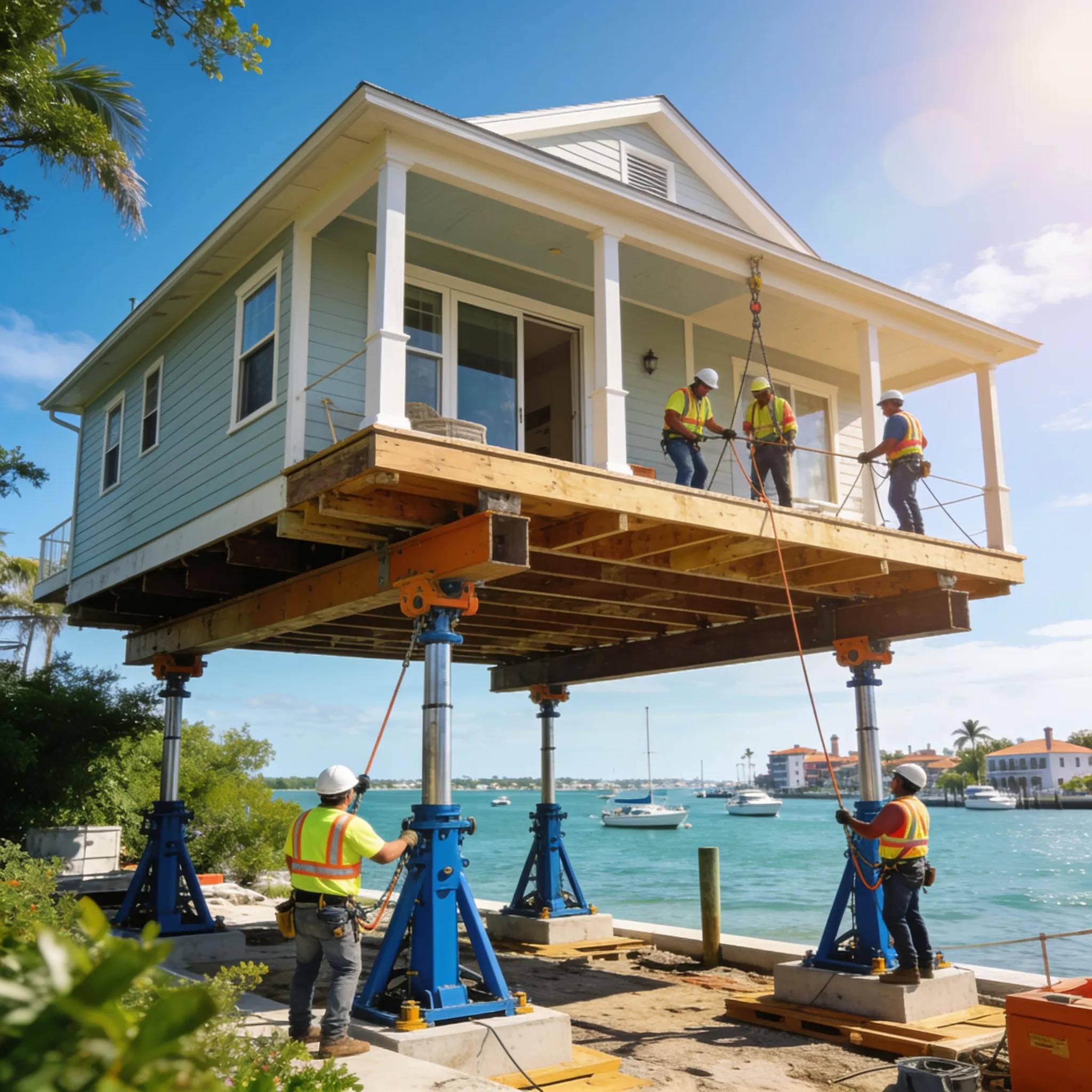
House lifting is particularly effective in enhancing flood resilience on Venice Island. By elevating homes above the base flood elevation, homeowners significantly reduce the risk of water intrusion during severe weather events. Case studies have shown that properties lifted to at least the required flood elevation saw marked improvements in structural integrity during storms, aligning with FEMA’s standards. Additionally, lifted homes typically experience lower insurance premiums, providing financial benefits alongside physical protection.
What Materials and Technologies Are Employed in Home Elevation Projects?
In home elevation projects, a variety of materials and technologies are utilized to ensure safety and longevity. Key components include:
- Structural Supports: Steel or reinforced concrete supports are commonly used for their durability and strength in bearing the elevated weight of homes.
- Foundation Materials: Advanced materials like precast concrete and treated wood are employed for constructing stronger foundations that resist decay.
- Elevation Technology: Innovations such as hydraulic systems for house lifting provide efficient and safe elevation processes.
These materials and technologies not only enhance the efficacy of elevation projects but also contribute to the sustainability of homes on Venice Island.
How Do Venice FL Flood Zone Regulations Affect Home Elevation Requirements?
Understanding flood zone regulations is crucial for homeowners contemplating elevation. Venice, Florida, falls under specific FEMA flood zones that dictate elevation requirements based on the home's location.
What Are the FEMA Flood Zones Applicable to Venice Island Homes?
Flood zones delineated by FEMA classify areas based on their risk of flooding. Common zones affecting Venice Island homes include:
- Zone AE: Areas with a base flood elevation defined, where homes must be elevated at least to this level.
- Zone X: Areas with a lower risk of flooding, often less restrictive in terms of elevation requirements.
Knowledge of these classifications ensures homeowners can meet local and federal compliance requirements effectively.
Which Local Building Codes and Permitting Processes Must Be Followed?
Compliance with local building codes and the permitting process is essential for any home elevation project. Key steps include:
- Permit Application: Homeowners must submit detailed plans to obtain elevation permits from local authorities.
- Inspections: Upon completion, homes typically require inspections to verify adherence to building codes.
- Documentation of Change: An elevation certificate is often needed to document the new height and establish compliance with flood requirements.
Adhering to these processes protects homeowners from legal repercussions and enhances overall community resilience to flooding.
Who Are the Leading House Lifting Contractors in Venice FL and How to Choose Them?
Choosing a reputable contractor for home elevation is key to ensuring the project's success. Factors to consider include:
- Experience and Licensing: Verify the contractor’s experience in house lifting and ensure they are licensed to operate in Florida.
- Reputation and Reviews: Look for contractors with positive reviews and testimonials from past clients, indicating reliability and quality work.
- Service Offerings: Evaluate the range of services offered, including post-elevation support and warranty options.
Hiring skilled and reputable contractors not only assures quality work but also facilitates smoother compliance with regulations.
What Criteria Ensure Selection of Licensed and Experienced Contractors?
To ensure the selection of qualified contractors, homeowners should assess:
- Licensing Verification: Contractors must hold valid licenses relevant to house lifting and Florida construction requirements.
- Portfolio of Work: Reviewing past projects allows homeowners to evaluate the contractor's capability and scope of work completed.
- Professional Associations: Membership in relevant industry associations can signify credibility and commitment to quality in the contractor’s work.
These criteria enable homeowners to make informed choices about who to hire for their elevation needs.
What Service Offerings and Guarantees Do Local Contractors Provide?
Local contractors often provide various services that enhance the home elevation process, including:
- Comprehensive Consultations: Many contractors offer free initial consultations to assess a property's elevation potential and discuss options.
- Service Packages: Some provide all-inclusive packages that cover permits, elevation, and post-elevation inspections.
- Warranties: Reputable contractors usually offer warranties on their work, providing peace of mind for homeowners.
Understanding these offerings assists homeowners in making informed decisions about their elevation projects.
What Are the Environmental and Structural Benefits of Flood Resilient Home Design in Venice?
Flood-resilient home designs play a pivotal role in enhancing both the environment and structural integrity of homes on Venice Island.
How Does Elevation Enhance Coastal Resilience and Reduce Flood Risk?
Elevation significantly enhances coastal resilience by allowing homes to withstand the effects of flooding more effectively. Elevated structures are less likely to suffer damage during flood events, ultimately protecting not only the property but also surrounding ecosystems by reducing sediment displacement and potential water contamination. This proactive approach fosters sustainable development in vulnerable coastal areas, aligning with best practices for environmental resilience.
What Are the Environmental Advantages of Sustainable Home Elevation?

Sustainable home elevation practices contribute to environmental conservation in multiple ways, including:
- Reduction of Landfill Waste: By utilizing existing structures and materials, fewer resources are consumed than in new builds.
- Carbon Footprint Minimization: Sustainable methods lower overall carbon emissions associated with construction activities by promoting energy-efficient designs.
- Habitat Preservation: Elevated homes often result in less disruption to local flora and fauna compared to traditional foundation methods.
These benefits underscore how thoughtful elevation projects can align economic considerations with environmental stewardship.
What Are the Typical Costs and Financing Options for Home Elevation on Venice Island?
Understanding the costs associated with home elevation can aid homeowners in planning their financial strategies effectively.
How Much Does It Cost to Elevate a Home in Venice Florida?
The average costs for elevating a home on Venice Island generally range based on the complexity and method used, typically falling between $10,000 and $50,000. Factors influencing total costs include:
- Size of the Home: Larger homes require more extensive support structures.
- Current Foundation Type: Different foundation types may necessitate specific elevation methods that affect overall cost.
- Site Accessibility: Homes situated in hard-to-reach areas may incur additional charges for equipment and labor.
Homeowners should consult with local contractors to obtain accurate estimates based on their circumstances.
What Financing Programs and Insurance Benefits Are Available?
Various financing programs and insurance benefits are available to assist homeowners with elevation projects, including:
- FHA 203(h) Program: This program offers low-interest loans for homeowners facing reconstruction after a disaster.
- Insurance Discounts: Elevating a home may lead to lower flood insurance premiums, reflecting reduced risk.
- Local Grants and Subsidies: Some municipalities provide financial assistance for home elevation as a part of their resilience strategy.
These options can help alleviate the financial burden associated with significant elevation projects, encouraging more homeowners to pursue them.
What Post-Elevation Maintenance and Flood Preparedness Measures Should Venice Homeowners Take?
Maintaining an elevated home and preparing for potential floods involves several proactive strategies.
How to Maintain Structural Safety After Home Elevation?
Post-elevation, homeowners should conduct regular maintenance checks, including:
- Inspection of Foundation Supports: Regular inspections ensure that the structural supports remain intact and functional.
- Assessment of Gutters and Drainage: Effective drainage systems prevent water accumulation around the foundations, reducing flood risk.
- Routine Professional Evaluations: Engaging professionals for periodic assessments can identify potential issues before they escalate.
Adhering to these practices is vital for maintaining the integrity and safety of elevated structures over time.
What Flood Preparedness Plans Complement Home Elevation Efforts?
Complementing home elevation with an effective flood preparedness plan is essential. Key components include:
- Community Collaboration: Engaging with neighbors and local organizations can enhance community-level preparedness.
- Emergency Kits: Assembling emergency kits with essential supplies (food, water, medications) tailored for potential flood events.
- Evacuation Plans: Developing clear evacuation routes and plans ensures that all household members know what steps to take during an emergency.
These proactive measures enhance individual and community resilience against flooding on Venice Island.