Navigating the complexities of home elevation on Sanibel Island involves understanding a variety of factors, including local flood zone regulations and logistics for moving construction materials. This guide is designed to provide a comprehensive overview of the necessary steps and considerations for successfully lifting a home in one of Florida's most unique coastal environments. Homeowners in flood-prone areas often face significant challenges in ensuring compliance with federal and local building codes while also safeguarding their properties from storm surges and flooding risks.
In this article, we will explore the essential flood zone regulations affecting home elevation, house lift methods best suited for the region, access logistics for elevation projects, and the key cost factors involved. By understanding these elements, homeowners can make informed decisions that protect their investment and enhance their safety against natural disasters.
What Are the Essential Flood Zone Regulations Affecting Home Elevation on Sanibel Island?
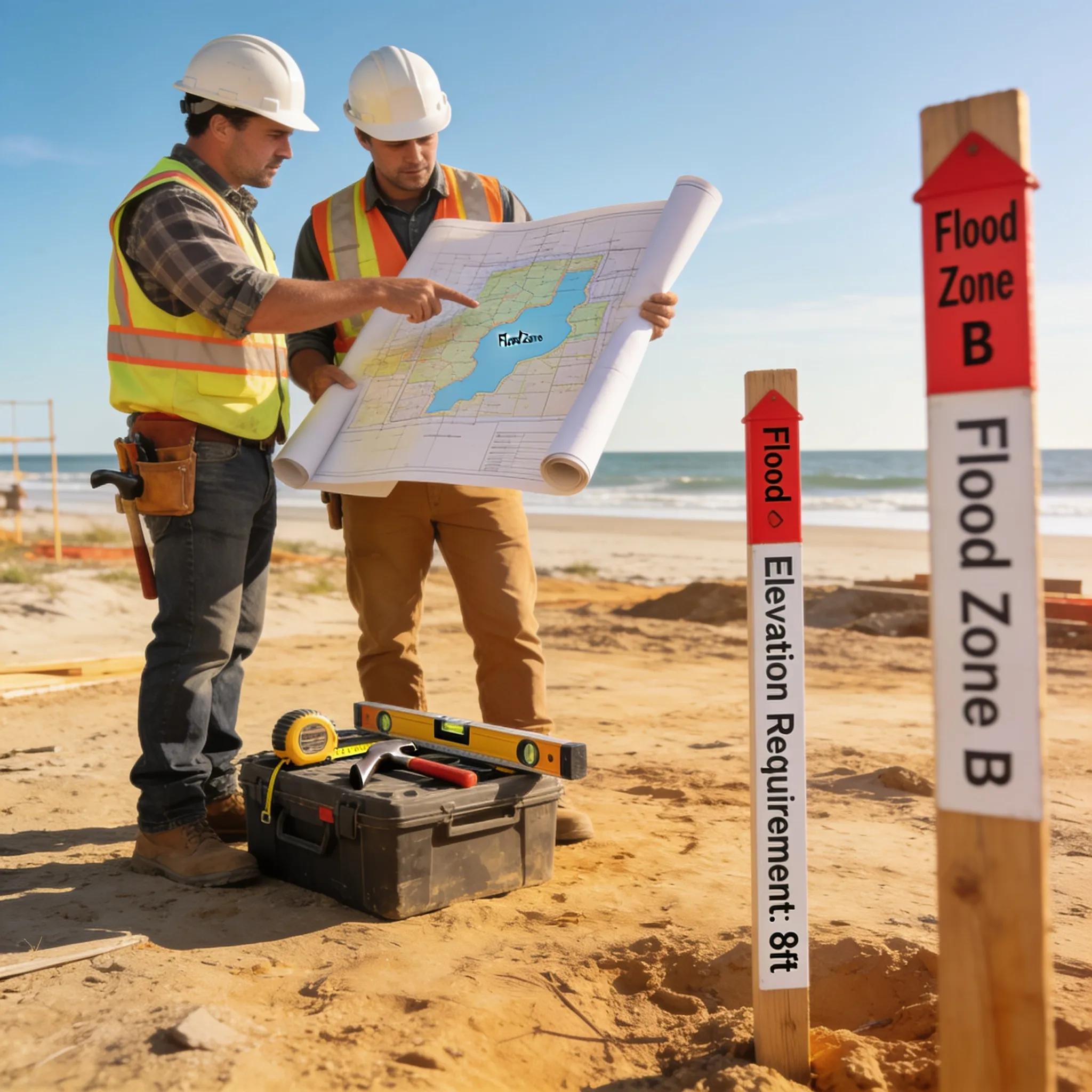
When embarking on a home elevation project in Sanibel, it is vital to be aware of the flood zone regulations that dictate how residential structures must be positioned above Base Flood Elevations (BFEs). The Federal Emergency Management Agency (FEMA) categorizes flood zones based on risk, which influences both the design and elevation requirements for homes. Adhering to these regulations is crucial in ensuring that residences withstand adverse weather conditions while also navigating insurance and mortgage requirements effectively.
How Do FEMA Flood Zone Classifications Impact Sanibel Home Elevation Requirements?
FEMA flood zone classifications are critical as they determine the height to which structures must be elevated. Sanibel Island is primarily classified as zones A and V, with Zone A indicating a lower risk of flooding compared to Zone V, which is at high risk of wave action. Homeowners must elevate their properties to or above the designated BFE corresponding to their flood zone to comply with local building codes and minimize flood insurance rates.
Research into the evolution of floodplain regulations in Florida highlights the dynamic nature of these classifications and their implications for development.
Florida Flood Maps: Evolution of Floodplain Regulation
ABSTRACT: AbstractMany regulations are geographically targeted. We study the evolution of the spatial targeting of floodplain regulation over four decades of regulatory map updates in Florida. We focus on changes in shape irregularity of regulated areas, measured using differences between regulated polygons and their convex hulls. While the regularity of mapped polygons is uncorrelated with development in initial maps, we observe decreases in regularity over time concentrated in highly developed geographies. These changes are uncorrelated with changes in risk due to adaptation. Our results highlight the possibility of endogenous regulation and the value of leveraging historical maps for empirical analysis. The Shape of Regulation: 40
Years of Florida Flood Maps, A Ostriker, 2025
What Coastal Building Permits Must Home Elevation Contractors Obtain on Sanibel Island?
Home elevation contractors in Sanibel must secure various coastal building permits prior to commencing any construction work. These permits often include those related to environmental protections, structural alterations, and safety evaluations. Navigating the application process can be complex, and homeowners should engage contractors who are well-versed in local regulations to streamline the acquisition of necessary permits and avoid common pitfalls.
Which House Lift Methods and Technologies Are Best Suited for Sanibel Island Residences?
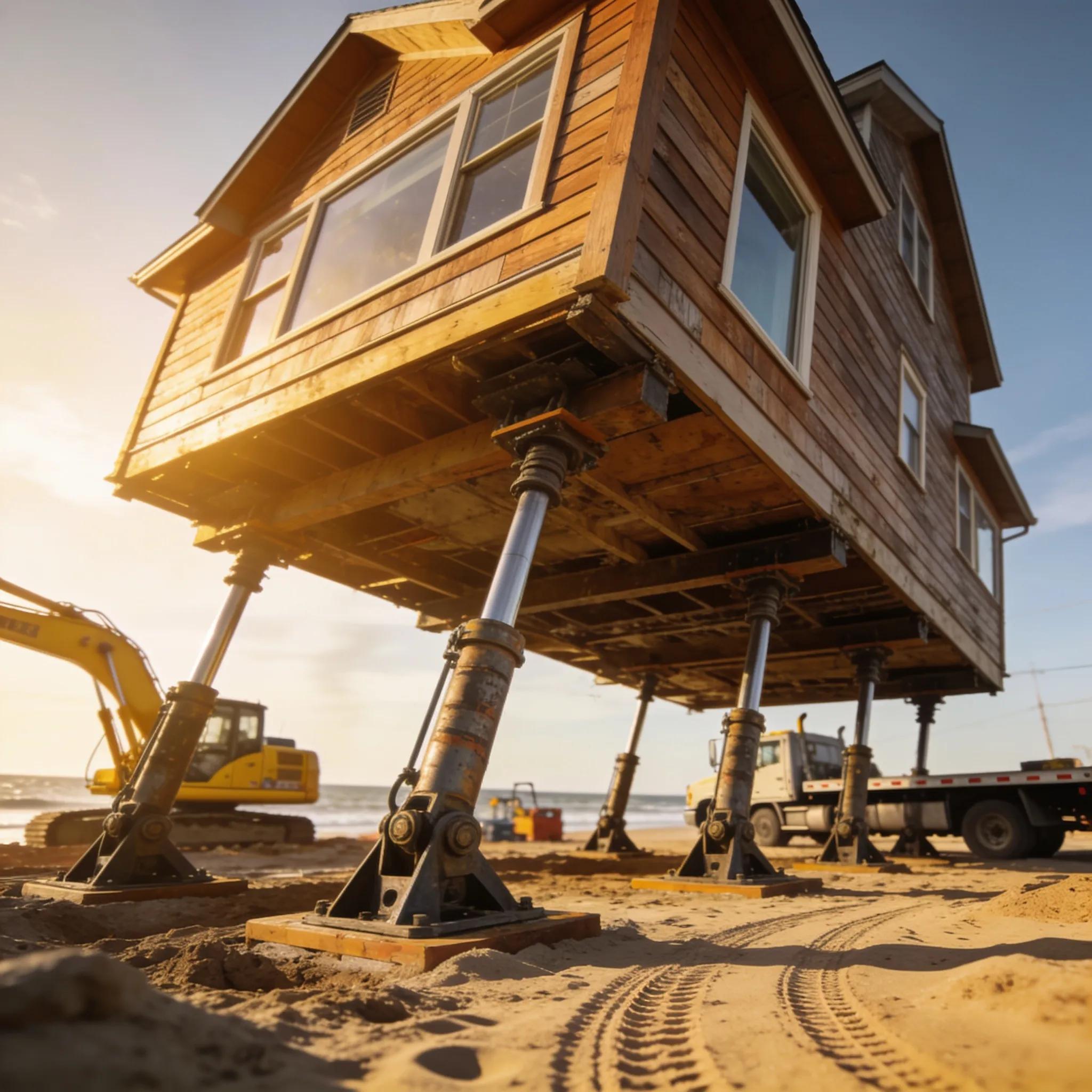
Several house lift methods and technologies are specifically tailored to effectively address the challenges posed by the coastal environment of Sanibel Island. Understanding these methods allows homeowners to choose the best option that aligns with their property type and elevation needs.
What Types of Foundation Lifting Techniques Are Used for Coastal Home Elevation in Florida?
Foundation lifting techniques vary depending on the structural design of the home and its foundation type. Common methods include screw piles, hydraulic jacks, and traditional cribbing systems, all of which offer their unique advantages in addressing the sandy soil and moisture levels characteristic of coastal properties. Each method ensures structural integrity during the elevation process, which is especially critical in regions susceptible to hurricanes.
How Do Contractors Ensure Structural Safety During House Lift Installation on Sanibel Island?
Safety during house lift installation is paramount; therefore, contractors must adhere to strict protocols that encompass structural assessments and load calculations. They utilize advanced engineering techniques and tools to monitor the lifting process, ensuring that homes are not only elevated correctly but also remain stable throughout the operation. This focus on safety is a key aspect of reputable elevation services in Sanibel.
How Do Access Logistics Influence Home Elevation Projects on Sanibel Island?
Access logistics play a crucial role in ensuring that home elevation projects are executed efficiently. Given Sanibel Island's unique geographical position, transporting equipment and materials can pose significant challenges, impacting project timelines and costs.
What Are the Challenges of Transporting Equipment and Materials to Sanibel Island Construction Sites?
Transporting heavy lifting equipment and construction materials to Sanibel Island can be arduous due to its limited access points and environmental regulations. Factors such as tides, weather conditions, and local ordinances can complicate delivery schedules. Contractors must devise strategic plans to mitigate these challenges to minimize delays and ensure that elevation projects are completed on time.
How Do Contractors Manage Temporary Site Access and Easements During Elevation Projects?
Contractors often need to obtain temporary easements to facilitate site access during home elevation projects. This involves negotiating with property owners and complying with local regulations to ensure that any disruptions are minimized. Effective management of site access can significantly enhance the workflow and efficiency of elevation projects.
What Are the Cost Factors and Insurance Considerations for Home Elevation on Sanibel Island?
The financial aspects of home elevation on Sanibel Island encompass various factors, including labor, materials, and compliance costs. Understanding these elements is essential for homeowners to budget appropriately and evaluate their financial commitments.
How Much Does House Lift Installation Typically Cost on Sanibel Island?
The cost of house lift installation on Sanibel Island can vary widely, with typical installations ranging between $20,000 and $40,000 depending on the size of the house, the elevation requirements, and the specific methods employed by the contractor. This cost may also be influenced by the complexity of the site's location and the logistical challenges identified during the initial assessments.
What Insurance Policies Cover Flood Zone Home Elevation and Coastal Foundation Lifting?
Homeowners need to consider insurance policies that address the specific risks associated with flood zone home elevation. Commonly available coverage includes flood insurance and elevation insurance, which helps mitigate financial losses during elevation projects and subsequent flooding events. Engaging with insurance advisors who understand local regulations is key to securing the appropriate policies.
What Are Real-World Examples of Successful Sanibel Island Home Elevation Projects?
Examining case studies of successful home elevation projects on Sanibel Island provides valuable insights into effective strategies for flood protection through house lifts. These real-world examples illustrate successful methodologies and project outcomes that can serve as benchmarks for future endeavors.
Which Case Studies Demonstrate Effective Flood Protection Through House Lifts on Sanibel Island?
Various case studies have highlighted successful home elevations that emphasize innovative techniques for achieving compliance and safety. For instance, a recent project showcased effective integration of hydraulic jacking systems, resulting in enhanced stability and resilience against flooding. These practices not only offer protective benefits but also contribute to increasing property values through compliance with local and federal regulations.
How Do Client Testimonials Reflect the Quality of Sanibel Flood Protection Services?
Client testimonials often underscore the importance of choosing contractors with a proven track record in flood protection services. Positive reviews citing efficiency, professionalism, and successful project completions resonate strongly, reflecting the vital role that reputable contractors play in elevating homes to combat flood risks effectively. Homeowners are encouraged to seek reviews and testimonials to guide their contractor selection process.